Bathroom: The Ultimate Guide to Design, Functionality, and Wellness
Understanding the bathroom as more than just a utilitarian space is essential in modern home design. The bathroom serves as a sanctuary, a personal retreat, and a functional hub for daily routines. Creating a space that balances aesthetics, hygiene, and functionality requires careful planning and thoughtful design choices. This guide explores the bathroom’s role in the home, the latest trends in design, essential features, and practical considerations for both small and large spaces.
The Role of the Bathroom in Modern Living
Bathrooms have evolved from purely functional rooms into spaces that support relaxation and wellness. Today, homeowners prioritize comfort, convenience, and sustainability in their bathroom designs. A well-designed bathroom contributes to overall quality of life by enhancing daily routines and providing a private area for rejuvenation.
Key functions of a modern bathroom include:
- Personal hygiene: Daily activities like bathing, brushing, and grooming.
- Wellness and relaxation: Bathtubs, steam showers, and aromatherapy can transform a bathroom into a spa-like retreat.
- Storage and organization: Efficient storage solutions help maintain cleanliness and reduce clutter.
- Accessibility: Designs that accommodate diverse needs, including children, elderly family members, or individuals with disabilities.
Designing Your Bathroom: Key Considerations
When planning a bathroom, several critical elements determine the balance between style and practicality. These considerations include space planning, lighting, ventilation, material choices, and fixtures.
Space Planning and Layout
The layout of a bathroom significantly impacts its functionality and comfort. Efficient spatial planning allows seamless movement while providing sufficient room for fixtures and storage. Typical layouts include:
- Linear layout: Fixtures arranged along a single wall, ideal for narrow spaces.
- L-shaped layout: Fixtures placed along two adjacent walls, offering open central space.
- U-shaped layout: Fixtures positioned along three walls, suitable for larger bathrooms.
- Wet and dry zones: Separating wet areas (showers and bathtubs) from dry areas (toilet and vanity) improves usability and prevents water damage.
Lighting and Ventilation
Lighting is crucial for both functionality and ambiance in the bathroom. A combination of natural light, task lighting, and ambient lighting creates a comfortable and inviting atmosphere.
- Natural light: Skylights and windows improve mood, reduce the need for artificial lighting, and enhance energy efficiency.
- Task lighting: Focused lighting around mirrors supports grooming activities.
- Ambient lighting: Ceiling fixtures or LED strips provide uniform illumination for a soothing environment.
Ventilation is equally important to prevent mold growth and maintain air quality. Exhaust fans, operable windows, and moisture-resistant materials can effectively manage humidity levels.
Choosing Materials and Finishes
Material selection in a bathroom impacts aesthetics, durability, and hygiene. High-quality, water-resistant materials help prevent damage and reduce maintenance requirements.
- Flooring: Porcelain tiles, natural stone, or luxury vinyl tiles offer durability and slip resistance.
- Wall surfaces: Ceramic or glass tiles, waterproof paint, or stone cladding enhance visual appeal and ease cleaning.
- Countertops: Quartz, granite, or solid surface materials combine elegance with resilience against moisture.
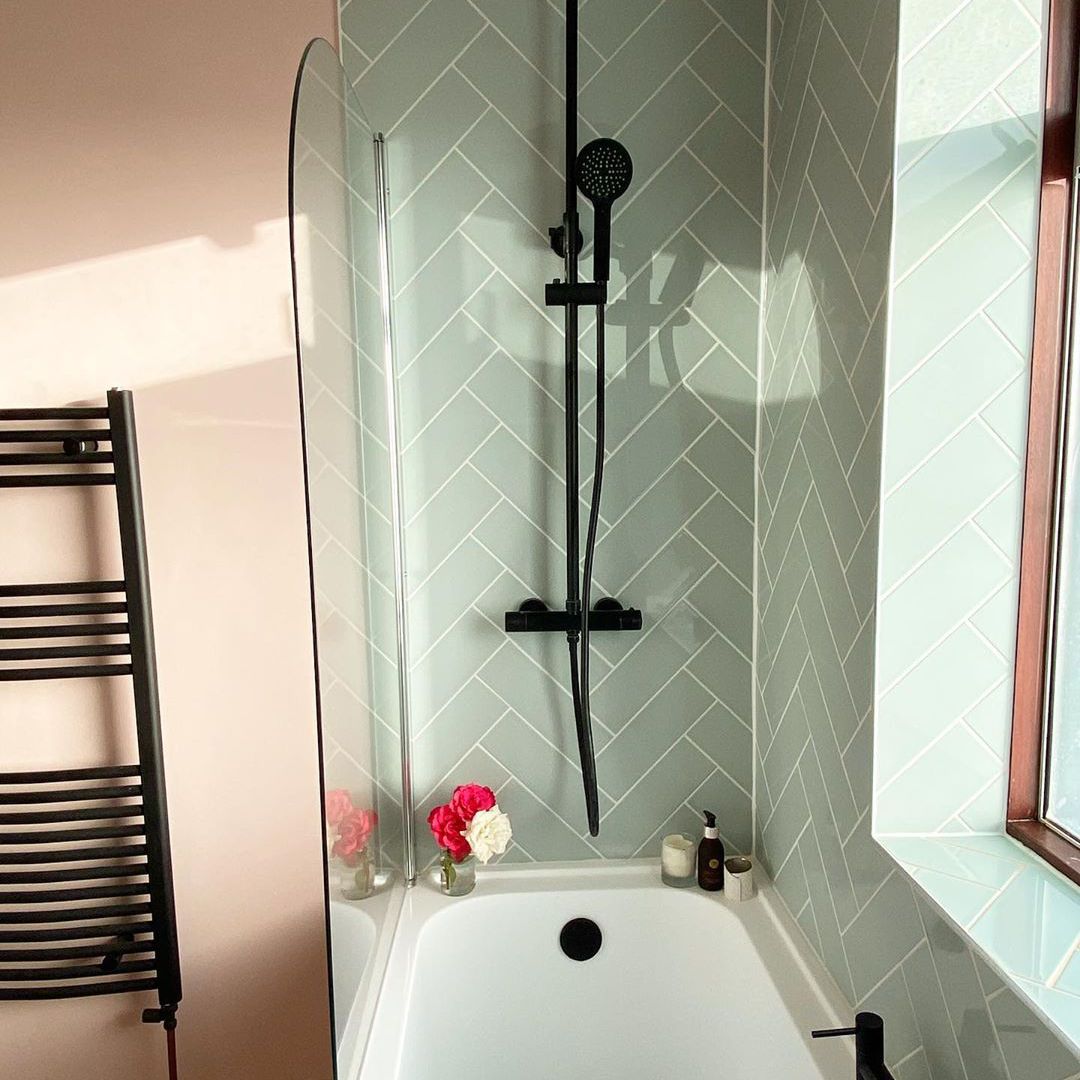
- Fixtures: Chrome, brushed nickel, and matte black finishes are popular for their durability and design flexibility.
Fixtures and Fittings
Fixtures are the focal point of a bathroom and influence both style and functionality. Modern bathrooms often feature advanced technologies to improve efficiency and user experience.
- Toilets: Low-flow and dual-flush models conserve water while maintaining performance.
- Showers: Rainfall showers, multi-jet systems, and steam options provide a spa-like experience.
- Bathtubs: Freestanding and built-in designs cater to both aesthetic and practical preferences.
- Vanities and sinks: Floating vanities maximize floor space, while under-mount sinks provide a clean, integrated look.
Incorporating Wellness and Technology
The bathroom has become a hub for wellness and smart technology integration. Homeowners increasingly prioritize features that enhance comfort, relaxation, and efficiency.
Wellness-Focused Features
- Hydrotherapy tubs: Jets and bubble systems relieve muscle tension and improve circulation.
- Steam showers: Therapeutic steam sessions promote respiratory health and relaxation.
- Heated flooring: Provides warmth during colder months and enhances comfort.
- Smart mirrors: Display weather updates, news, or health metrics while offering anti-fog functionality.
Smart Bathroom Technologies
Smart bathrooms leverage technology to improve energy efficiency, water conservation, and convenience.
- Automated faucets and showers: Sensors reduce water waste by controlling flow based on usage.
- Voice-activated lighting: Adjusts brightness and color temperature with simple commands.
- Leak detection systems: Alert homeowners to leaks or excess moisture, preventing damage.
- Digital temperature controls: Maintain consistent water temperature for showers and baths.
Maximizing Storage and Organization
A clutter-free bathroom is essential for both functionality and relaxation. Strategic storage solutions help maintain order and optimize space.
- Vanity cabinets and drawers: Provide ample room for toiletries, cleaning supplies, and personal items.
- Wall-mounted shelves: Utilize vertical space efficiently, especially in smaller bathrooms.
- Over-the-toilet storage units: Ideal for compact spaces, adding functional storage without occupying floor area.
- Built-in niches: Integrated shelves in shower walls or behind mirrors create discreet storage solutions.
Sustainable Bathroom Design
Sustainability has become a central consideration in modern bathroom design. Eco-friendly choices reduce environmental impact while offering long-term savings.
- Water-saving fixtures: Low-flow toilets, faucets, and showerheads conserve water.
- Energy-efficient lighting: LED bulbs and smart lighting systems lower electricity usage.
- Recycled or sustainably sourced materials: Bamboo flooring, reclaimed wood, and recycled glass tiles support environmental responsibility.
- Greywater systems: Reuse water from sinks and showers for toilet flushing or irrigation, reducing water consumption.
Color, Texture, and Style
A bathroom’s visual appeal relies on a cohesive color palette, textures, and design style. Choosing complementary elements ensures a harmonious and inviting space.
- Neutral tones: Whites, beiges, and grays create a calming, versatile backdrop.
- Bold accents: Dark tiles, vibrant cabinetry, or patterned wallpaper add character and depth.
- Natural textures: Wood, stone, and woven materials introduce warmth and tactile interest.
- Minimalist design: Clean lines, floating fixtures, and hidden storage evoke simplicity and modern elegance.
Small Bathroom Solutions
Designing a small bathroom presents unique challenges, but creative approaches can maximize functionality and visual space.
- Compact fixtures: Slim toilets, corner sinks, and wall-mounted vanities save floor space.
- Mirrors: Large or strategically placed mirrors create the illusion of depth and openness.
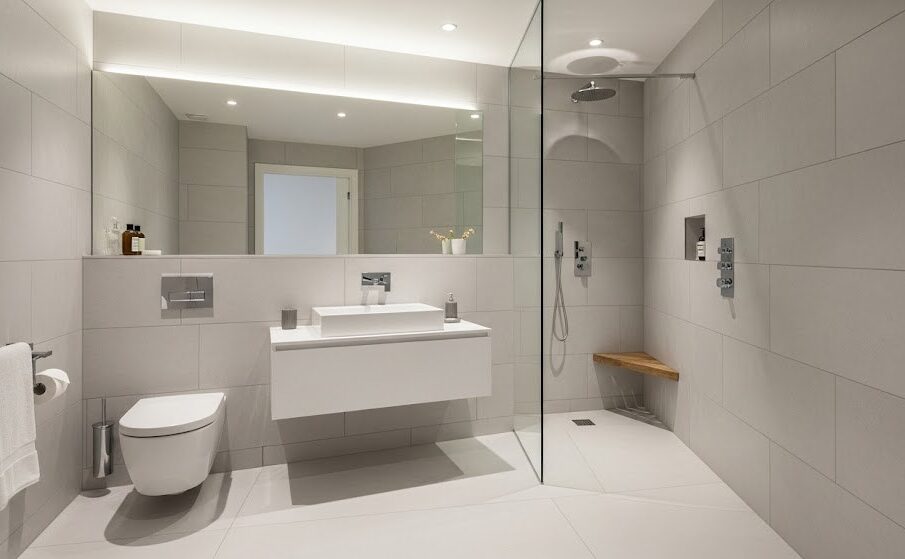
- Glass partitions: Clear shower doors prevent visual obstruction and make the space feel larger.
- Multi-functional furniture: Vanities with integrated laundry hampers or storage benches increase efficiency.
Large Bathroom Luxury
For spacious bathrooms, design opportunities expand to incorporate luxury and multifunctionality.
- Separate wet and dry zones: Provides dedicated areas for showers, baths, and dressing.
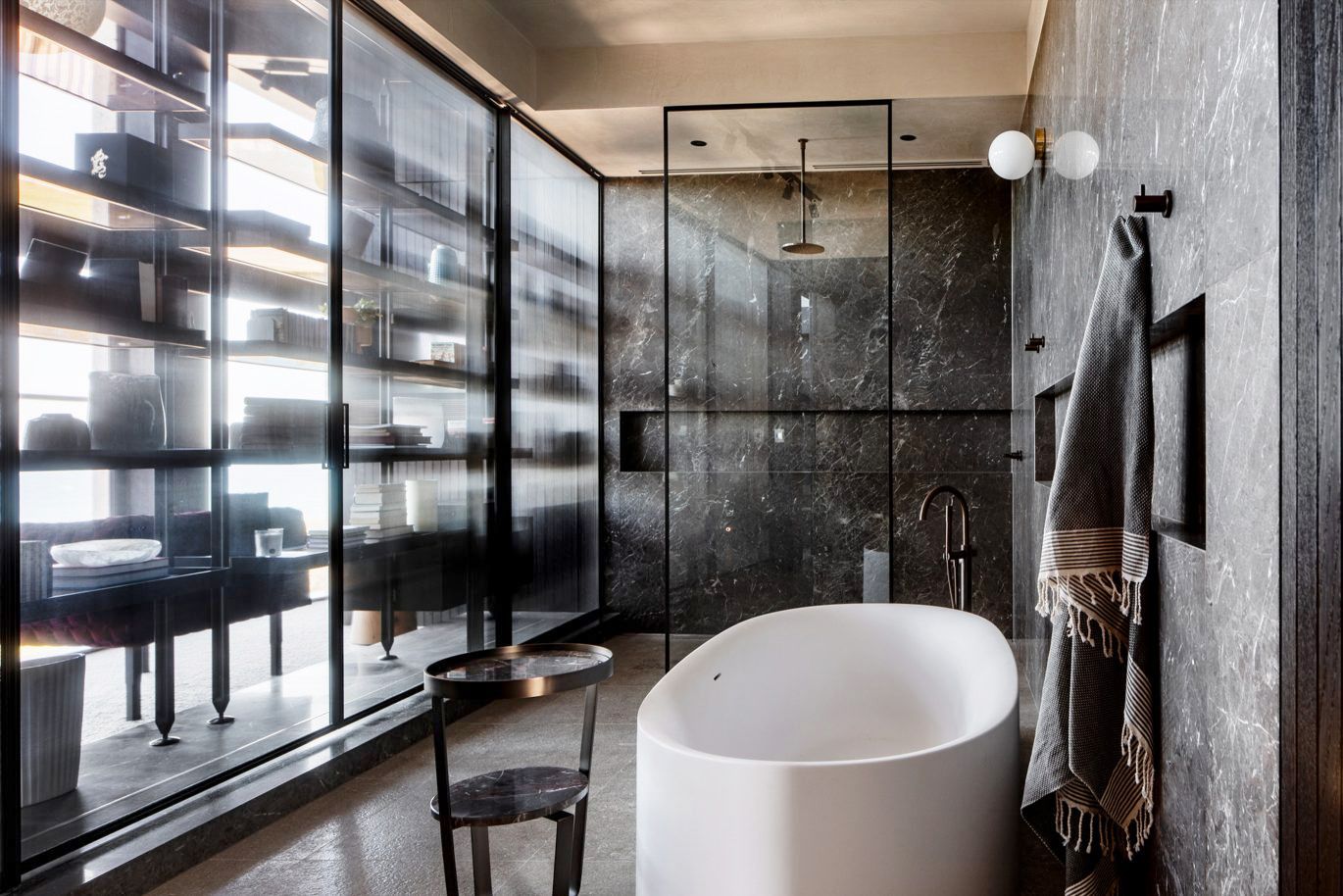
- Freestanding tubs: Serve as statement pieces and enhance the spa-like atmosphere.
- Multiple vanities: Ideal for shared bathrooms, offering personal space and storage.
- Integrated seating areas: Adds comfort for relaxation, grooming, or reading.
Safety and Accessibility
Safety and accessibility are critical for inclusive bathroom design. Universal design principles ensure the bathroom can be comfortably used by people of all ages and abilities.
- Grab bars and handrails: Prevent slips and falls near showers, tubs, and toilets.
- Non-slip flooring: Textured tiles or rubberized surfaces reduce the risk of accidents.
- Walk-in showers: Eliminate barriers for easy entry and exit.
- Adjustable fixtures: Height-adjustable sinks, showerheads, and mirrors accommodate different users.
Real-Life Tips for Bathroom Maintenance
Maintaining a bathroom requires consistent effort to ensure hygiene, prevent damage, and prolong the lifespan of fixtures.
- Daily cleaning: Wipe down surfaces, mirrors, and fixtures to prevent soap scum buildup.
- Regular grout care: Seal grout lines to prevent water infiltration and mold growth.
- Ventilation management: Run exhaust fans during and after showers to reduce humidity.
- Fixture inspection: Check faucets, showerheads, and toilets for leaks or wear.
Bathroom Trends to Watch
Modern bathroom trends reflect a balance of technology, wellness, sustainability, and design innovation.
- Spa-inspired designs: Incorporating natural elements, soft lighting, and calming textures.
- Matte finishes: Matte black, brushed gold, and muted metals for a contemporary look.
- Floating fixtures: Vanities, toilets, and shelves that create a sense of openness.
- Statement tiles: Large-format tiles, geometric patterns, or bold colors as focal points.
- Eco-conscious technology: Smart water management, low-energy lighting, and sustainable materials.
Bathroom FAQ
What is the ideal bathroom size for a family home?
A comfortable bathroom for a family home typically ranges from 40 to 60 square feet for a standard layout. Larger spaces can incorporate multiple vanities, a separate shower, and a bathtub.
How can I make a small bathroom appear larger?
Use light colors, large mirrors, glass partitions, and wall-mounted fixtures to create an illusion of space. Vertical storage and minimalistic design also help maximize visual openness.