Decor Tips: Transform Your Space with Style, Function, and Personality
Home décor is more than just arranging furniture and picking paint colors. It is the art of transforming a space into a reflection of personal taste, lifestyle, and functionality. With the right decor choices, a home can evoke warmth, comfort, and elegance while maintaining practical usability. Understanding how to blend aesthetics, comfort, and utility is essential for achieving a balanced and inviting environment. This guide explores professional decor tips, design strategies, and real-life applications to elevate every room in your home.
Understanding the Principles of Effective Decor
Decorating a home requires more than intuition; it involves understanding the principles that govern visual balance, harmony, and spatial functionality. Effective decor integrates colors, textures, lighting, furniture placement, and accent pieces in a way that enhances both form and function.
Key principles to consider include:
- Balance: Distributing visual weight evenly across the room creates a sense of stability. Balance can be symmetrical, asymmetrical, or radial depending on the design style.
- Harmony: Consistent color schemes, textures, and patterns ensure the space feels cohesive rather than disjointed.
- Focal points: Every room benefits from a primary focal point, such as a statement piece of furniture, artwork, or architectural feature.
- Scale and proportion: Choosing furniture and décor items that are appropriately sized for the room prevents overcrowding and maintains flow.
- Functionality: Each design element should support the room’s intended use, whether it’s entertaining guests, relaxing, or working.
Selecting a Color Palette
Color is one of the most influential aspects of decor. The right palette not only sets the mood but also affects perceptions of space, light, and comfort.
Color Psychology in Interiors
- Warm tones: Shades like red, orange, and gold evoke energy, warmth, and social interaction, making them ideal for living and dining areas.
- Cool tones: Blues, greens, and purples promote calm, relaxation, and focus, making them suitable for bedrooms, bathrooms, or home offices.
- Neutral tones: Whites, beiges, grays, and taupes provide a versatile backdrop, allowing accent colors and textures to stand out.
Techniques for Color Integration
- Accent walls: Painting one wall in a bold color creates visual interest without overwhelming the space.
- Layering: Combine complementary shades across walls, furniture, and accessories for depth and richness.
- Balance: Use a 60-30-10 rule: 60% dominant color, 30% secondary color, 10% accent color.
Furniture Placement and Spatial Planning
Correctly arranging furniture is crucial for functionality and flow. Poor placement can make a room feel cramped, awkward, or uninviting.
Layout Strategies
- Zoning: In open-concept spaces, use furniture to create functional zones such as dining, lounging, or work areas.
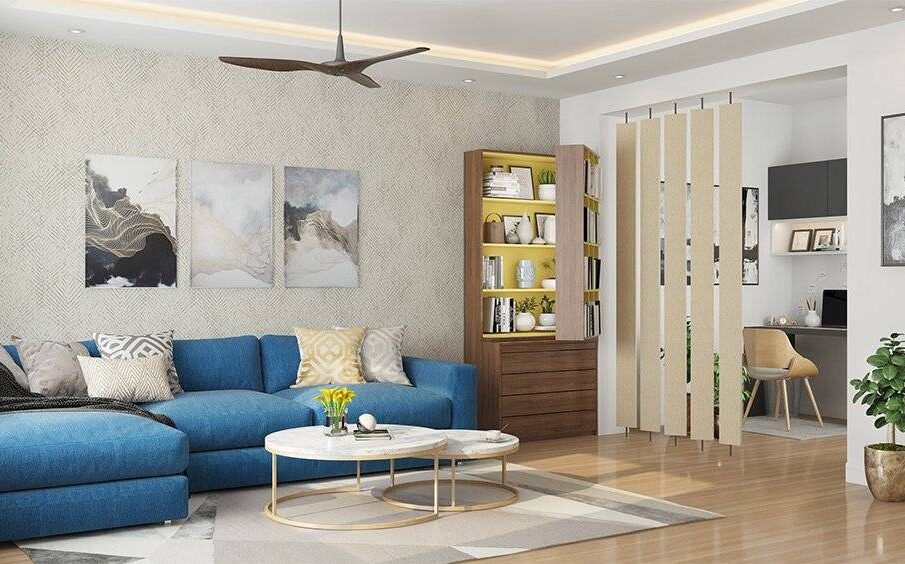
- Conversation areas: Arrange seating to facilitate interaction. A U-shaped or L-shaped seating arrangement encourages conversation while maintaining openness.
- Traffic flow: Leave clear pathways to ensure ease of movement. Avoid placing large furniture pieces where they obstruct entrances or circulation routes.
Choosing Furniture with Intent
- Multi-functional pieces: Storage ottomans, sofa beds, and expandable tables maximize utility in small or versatile spaces.
- Scale and proportion: Ensure furniture is proportional to room size. Oversized sofas overwhelm small rooms, while small chairs can appear lost in large spaces.
- Style consistency: Select furniture that aligns with the overall theme, whether it is modern, traditional, rustic, or eclectic.
Lighting: The Unsung Hero of Decor
Lighting dramatically influences mood, functionality, and the perceived size of a room. Layered lighting provides both practical illumination and decorative appeal.
Types of Lighting
- Ambient lighting: General illumination from ceiling fixtures, chandeliers, or recessed lights creates a foundation for all other lighting.
- Task lighting: Directed lighting for specific activities, such as reading lamps, under-cabinet lights, or vanity mirrors, ensures functionality.
- Accent lighting: Highlights architectural details, artwork, or decorative elements. Wall sconces, track lighting, or LED strips are effective accent solutions.
Lighting Techniques
- Natural light maximization: Use mirrors and light-colored window treatments to amplify daylight.
- Dimmable options: Adjustable lighting creates versatility for mood-setting and energy efficiency.
- Layering: Combine multiple sources of light to avoid harsh shadows and provide depth.
Textures and Materials for Depth
Texture introduces tactile and visual complexity, making a room feel layered, warm, and inviting. The strategic use of materials can also define spaces and enhance decor themes.
- Fabric textures: Incorporate plush rugs, velvet cushions, linen curtains, or knitted throws for comfort and variation.
- Surface materials: Wood, stone, and metals add structural richness and elegance. Mixing natural and polished surfaces creates contrast and interest.
- Wall treatments: Wallpapers, textured paint, wainscoting, or decorative panels add dimension without occupying floor space.
Accessorizing Like a Professional
Accessories bring personality, color, and narrative to a space. They can make a home feel curated rather than sterile.
Key Accessory Strategies
- Artwork: Choose pieces that resonate with personal taste and complement the room’s color scheme. Scale artwork to wall space for balanced impact.
- Decorative objects: Vases, sculptures, candles, and books can add personality, but avoid clutter.
- Greenery: Indoor plants enhance air quality, introduce natural color, and create a calming effect. Use planters that harmonize with overall décor.
- Textiles: Throws, cushions, and area rugs add comfort, warmth, and cohesion. Patterned textiles can introduce subtle vibrancy without overpowering the room.
Avoiding Common Accessory Mistakes
- Over-accessorizing can create a chaotic, cluttered feel.
- Mismatched themes or inconsistent color schemes disrupt harmony.
- Poorly placed accessories reduce visual impact; aim for intentional placement at eye level or in prominent positions.
Incorporating Technology and Smart Decor
Modern interiors increasingly integrate technology for convenience, ambiance, and energy efficiency.
- Smart lighting: Automate lighting intensity and color temperature to suit activities or time of day.
- Integrated speakers: Concealed or built-in sound systems maintain aesthetics while providing entertainment.
- Temperature control: Smart thermostats or radiant heating systems enhance comfort and efficiency.
- Multi-functional furniture with tech: Desks with built-in charging stations, LED mirrors, or smart beds elevate both style and functionality.
Maximizing Small Spaces
Small rooms present unique challenges but also opportunities for innovative design solutions.
- Mirrors: Reflective surfaces create an illusion of depth and enhance light distribution.
- Vertical storage: Tall shelving units, hanging cabinets, and wall-mounted hooks utilize wall space efficiently.
- Foldable or multi-purpose furniture: Nesting tables, Murphy beds, and expandable desks maximize utility.
- Neutral and light colors: Light shades open up confined spaces and maintain visual continuity.
Decorating for Large Spaces
Spacious rooms offer freedom but require strategic planning to avoid emptiness or disproportion.
- Create zones: Divide open spaces into functional areas with rugs, furniture, or partial walls.
- Statement pieces: Oversized art, chandeliers, or dramatic furniture serve as focal points.
- Layer textures: Mixing fabrics, surfaces, and finishes prevents large areas from feeling cold or empty.
- Balanced furniture placement: Anchor furniture groups with rugs or lighting to maintain cohesion.
Sustainability in Home Decor
Eco-conscious decorating choices contribute to a healthier home and reduce environmental impact.
- Sustainable materials: Bamboo, reclaimed wood, recycled metal, and natural fibers support environmental responsibility.
- Energy-efficient lighting and appliances: LED bulbs, low-energy fixtures, and smart systems reduce consumption.
- Second-hand and vintage items: Refurbished furniture or decor adds character and prevents waste.
- Low-VOC paints and finishes: Protect indoor air quality while maintaining design quality.
Real-Life Decor Tips from Professionals
- Plan before buying: Measure spaces, create floor plans, and select a cohesive color scheme before purchasing furniture.
- Invest in quality basics: Foundation pieces like sofas, beds, and tables should prioritize durability and comfort.
- Mix old and new: Blending antique or vintage pieces with modern décor creates timeless style.
- Test before committing: Sample paint swatches, fabric swatches, and rug sizes in the actual room before final decisions.
- Rotate seasonal accents: Changing textiles, artwork, or decor accessories according to seasons refreshes a room without major renovations.
Decor FAQ
How can I make my living room look more spacious?
Use light, neutral colors, mirrors, and low-profile furniture. Remove clutter and use vertical storage to keep floor space open.
What is the easiest way to update a room without remodeling?
Introduce new textiles, artwork, and accent colors. Rearranging furniture or adding statement accessories can also transform the room.
How do I choose the right rug for a space?
Select a rug that complements the room’s color palette and scale. In living areas, ensure all major furniture legs fit on or partially on the rug for cohesion.
What are the best ways to combine different patterns and textures?
Use a unifying color across patterns or introduce texture contrasts gradually. Balance bold patterns with neutral or subtle elements to avoid overwhelming the space.
How do I integrate plants into decor effectively?
Choose plants according to light conditions and size of space. Use decorative planters, hangers, or floor arrangements to create visual interest while