
Exterior Design Tips: Elevate Your Home’s Curb Appeal with Style and Function
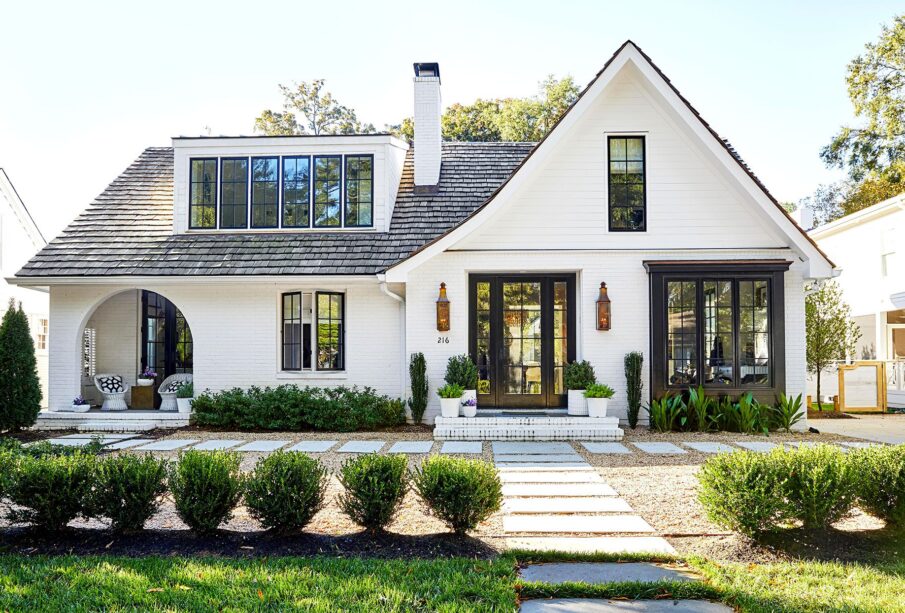
The exterior of a home is its first impression, reflecting the personality, taste, and lifestyle of its occupants. Beyond aesthetics, a well-designed exterior balances durability, functionality, and environmental considerations. From landscaping to materials, lighting, and architectural details, each element contributes to the overall visual impact and long-term performance. Understanding how to combine style with practicality ensures a home exterior that is both beautiful and resilient.
Understanding the Importance of Exterior Design
A thoughtfully designed exterior does more than improve curb appeal. It affects property value, energy efficiency, and long-term maintenance. A strong exterior design incorporates proportion, texture, color, and architectural harmony while aligning with the surrounding environment.
Key benefits of investing in exterior design include:
- Enhanced curb appeal: A striking exterior attracts attention and creates a welcoming impression for guests.
- Increased property value: Homes with professional, cohesive exterior designs tend to sell at higher prices and faster than those with neglected appearances.
- Durability and weather protection: Using appropriate materials ensures longevity against elements like sun, rain, wind, and snow.
- Energy efficiency: Strategic placement of windows, shading, and insulation reduces energy consumption while maintaining comfort.
Choosing the Right Materials for Your Exterior
Material selection is critical for both aesthetic appeal and long-term performance. High-quality, durable materials protect the home while enhancing its style.
Common Exterior Materials
- Wood: Natural and versatile, wood siding and trim add warmth and texture. Opt for treated or engineered wood for resistance against rot, pests, and moisture.
- Brick: Timeless and low-maintenance, brick provides excellent insulation and fire resistance. It works well for both traditional and contemporary designs.
- Stone: Offers durability and a luxurious appearance. Natural stone or stone veneer can be used for accents or full facades.
- Vinyl: Cost-effective, low-maintenance, and available in various colors and textures. Vinyl is resistant to moisture and requires minimal upkeep.
- Fiber cement: Combines durability and aesthetic versatility, mimicking wood, stucco, or masonry with resistance to rot and fire.
Material Considerations
- Climate suitability: Materials should withstand local weather conditions. For instance, wood may require additional protection in humid climates, while stone performs well in varied environments.
- Maintenance requirements: Consider long-term care, including painting, sealing, or cleaning. Low-maintenance materials save time and expense.
- Sustainability: Eco-friendly materials like reclaimed wood, recycled composites, or sustainably sourced stone reduce environmental impact.
Exterior Color Schemes
Color plays a pivotal role in creating an exterior that feels cohesive and visually appealing. The right palette complements architectural style, landscaping, and surrounding environment.
Color Selection Guidelines
- Neutral tones: Whites, grays, and beige shades provide timeless elegance and flexibility. These colors pair well with natural stone, wood, or brick accents.
- Bold accents: Use brighter colors sparingly on doors, shutters, or trim to create focal points and visual interest.
- Harmonious contrasts: Complementary colors enhance architectural details without overpowering the overall look.
- Seasonal adaptability: Consider how colors appear under different seasonal lighting conditions to ensure year-round appeal.
Techniques for Color Integration
- Layered approach: Combine main façade colors with secondary trims and accent colors for depth.
- Texture pairing: Coordinate color with material textures for added richness. Smooth painted surfaces contrast effectively with rough stone or wood.
- Neighborhood context: Ensure the color scheme blends with surroundings while maintaining individual character.
Landscaping and Outdoor Spaces
Landscaping is integral to exterior design, shaping how a property is perceived and enjoyed. Thoughtful landscaping enhances curb appeal, privacy, and environmental sustainability.
Landscaping Principles
- Functionality: Design outdoor areas for activities such as entertaining, gardening, or relaxation.
- Balance and proportion: Plant selection, spacing, and hardscape elements should create a visually balanced layout.
- Seasonal interest: Use a mix of evergreens, flowering plants, and deciduous trees to maintain year-round appeal.
- Sustainability: Implement drought-tolerant plants, native species, and water-efficient irrigation systems.
Hardscape Integration
- Pathways: Paved walkways or stepping stones guide movement while adding visual structure.
- Patios and decks: Outdoor living spaces extend usability and complement the home’s style.
- Retaining walls and terraces: Functional for slope management and provide opportunities for creative design.
- Lighting: Landscape lighting enhances nighttime aesthetics, safety, and security.
Exterior Lighting Design
Lighting transforms a home’s exterior, emphasizing architectural features and improving safety. A layered lighting plan ensures both beauty and functionality.
Types of Exterior Lighting
- Ambient lighting: General illumination for walkways, driveways, and patios.
- Accent lighting: Highlights trees, sculptures, or façade elements to create focal points.
- Task lighting: Focused lighting for entryways, stairs, or outdoor kitchens to ensure usability and safety.
- Security lighting: Motion-activated lights enhance protection without overwhelming the design.
Lighting Best Practices
- Energy efficiency: Use LED fixtures to minimize energy consumption and extend lifespan.
- Layering: Combine different types of lighting for depth and versatility.
- Strategic placement: Ensure lights enhance features without causing glare or light pollution.
Architectural Features and Accents
Exterior architectural details elevate the visual appeal and character of a home. Features like rooflines, window treatments, and decorative elements provide a sense of style and refinement.
Key Elements to Consider
- Roof design: Gable, hip, or flat roofs contribute to the home’s overall aesthetic and functional performance. Proper materials enhance durability.
- Windows and doors: Styles, frames, and trims should align with the home’s architecture. Energy-efficient options improve insulation and comfort.
- Porches and entryways: Welcoming entrances add charm and enhance curb appeal. Adding seating, planters, or decorative fixtures creates a complete look.
- Decorative accents: Shutters, cornices, moldings, and brackets add depth and sophistication when used intentionally.
Exterior Maintenance and Durability
A beautiful exterior requires consistent care to preserve aesthetics and functionality. Preventive maintenance ensures longevity and reduces long-term costs.
Maintenance Strategies
- Regular inspections: Check for damage to siding, roofing, gutters, and paint finishes.
- Cleaning: Pressure washing, window cleaning, and debris removal prevent deterioration.
- Pest management: Protect wood and landscaping elements from termites, rodents, and insects.
- Protective coatings: Sealants, stains, and weather-resistant finishes prolong material life.
Integrating Sustainability in Exterior Design
Eco-conscious exterior choices benefit both the environment and the homeowner. Sustainable design emphasizes resource efficiency, renewable materials, and energy-saving strategies.
- Solar panels: Harness sunlight for electricity while reducing utility costs.
- Rainwater harvesting: Collect and use rainwater for irrigation or outdoor cleaning.
- Green roofs and walls: Improve insulation, reduce runoff, and support biodiversity.
- Permeable paving: Allows rainwater absorption and minimizes flooding.
- Energy-efficient windows and insulation: Reduce heating and cooling needs, contributing to long-term savings.
Real-Life Exterior Design Tips
- Plan with context: Analyze sunlight, topography, and neighboring architecture before selecting materials or colors.
- Layer textures: Combine different surfaces to add depth, such as stone accents with smooth siding.
- Prioritize entrances: A well-designed entryway sets the tone for the entire home.
- Highlight landscaping: Use trees, shrubs, and hardscape features to complement architectural design.
- Consider long-term durability: Invest in materials that withstand local climate and require minimal maintenance.
Exterior Design FAQ
How can I increase my home’s curb appeal quickly?
Update paint, replace worn fixtures, plant vibrant flowers, and ensure pathways and lawns are clean and well-maintained.
What is the most durable exterior material for harsh climates?
Stone and fiber cement perform exceptionally well in extreme weather, offering resistance to moisture, wind, and temperature fluctuations.
How do I choose exterior lighting without overdoing it?
Focus on key areas like entryways, pathways, and architectural highlights. Use dimmable or motion-activated lights to maintain balance and efficiency.
Can landscaping reduce energy costs?
Yes. Strategically placed trees and shrubs provide shade, reduce heat gain, and block wind, contributing to lower energy consumption.
How do I integrate modern and traditional styles in exterior design?
Combine classic materials like brick or wood with contemporary lines, minimalistic accents, and modern lighting for a balanced, timeless look.
What are practical tips for maintaining exterior paint?
Inspect annually for peeling, chipping, or mildew. Clean surfaces gently and apply high-quality, weather-resistant paint every 5–10 years depending on climate and material.
Is it worth investing in sustainable exterior features?
Absolutely. Solar panels, green roofs, and energy-efficient windows reduce utility costs, improve comfort, and increase property value while benefiting the environment.
Exterior design is a comprehensive blend of aesthetics, functionality, and durability. By carefully selecting materials, colors, lighting, landscaping, and architectural details, homeowners can achieve an inviting, visually striking, and long-lasting façade. Thoughtful planning, consistent maintenance, and strategic use of sustainable solutions ensure that the exterior remains both beautiful and practical for years to come.


