Flooring Design and Selection: Crafting Durable, Stylish, and Functional Spaces
Flooring is one of the most critical elements of interior and exterior design, affecting both aesthetics and functionality. The right flooring not only enhances the visual appeal of a space but also provides durability, comfort, and practicality for daily use. From residential homes to commercial establishments, flooring choices influence maintenance needs, safety, and long-term property value. Understanding the diverse materials, styles, and installation methods allows homeowners and designers to create spaces that are beautiful, practical, and enduring.
The Importance of Flooring in Interior Design
Flooring serves as the foundation of a room’s design, setting the tone for color schemes, furniture choices, and decorative elements. A well-chosen floor balances style and functionality while accommodating lifestyle needs and traffic patterns.
Key benefits of thoughtful flooring selection include:
- Aesthetic appeal: Flooring contributes to the overall mood and character of a space, whether through texture, color, or pattern.
- Durability and longevity: High-quality materials withstand foot traffic, furniture movement, and environmental factors like moisture and sunlight.
- Safety and comfort: Non-slip surfaces and cushioning options enhance safety and support daily activities.
- Maintenance efficiency: Properly chosen flooring reduces cleaning time, protects against stains, and minimizes repair needs.
- Property value: Attractive, durable flooring increases resale value and marketability.
Popular Flooring Materials and Their Applications
Flooring materials vary in appearance, durability, and maintenance requirements. Choosing the right material depends on the intended use of the space, local climate, and budget.
Hardwood Flooring
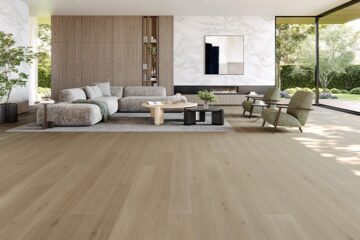
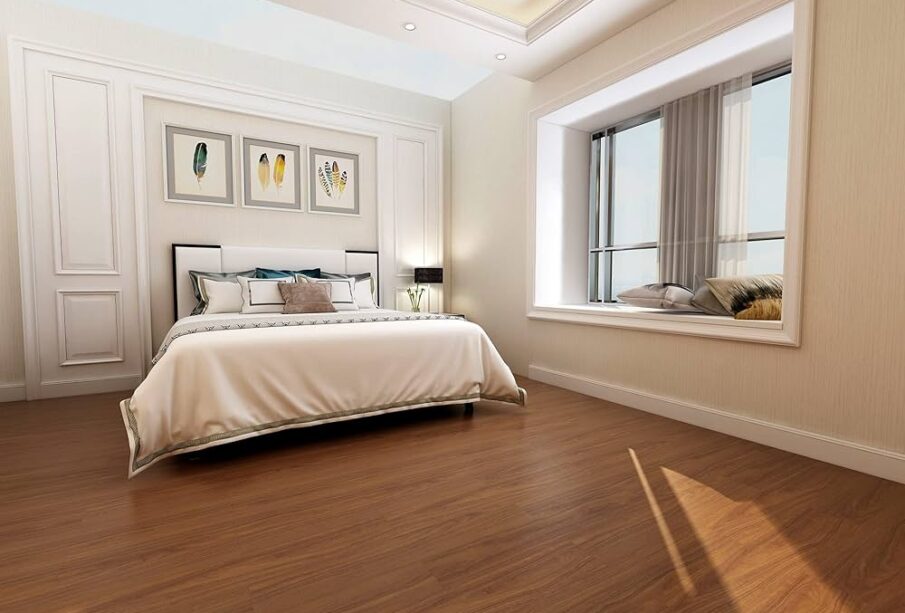
Hardwood is a classic choice known for its elegance and longevity. Available in oak, maple, walnut, and exotic species, hardwood floors add warmth and sophistication.
- Advantages: Long-lasting, refinishable, and visually appealing with natural grain patterns.
- Considerations: Sensitive to moisture and temperature fluctuations; requires periodic maintenance like polishing or refinishing.
- Best use: Living rooms, bedrooms, hallways, and formal spaces.
Engineered Wood Flooring
Engineered wood combines a hardwood veneer with plywood or high-density fiberboard layers for added stability.
- Advantages: Less prone to warping or expansion compared to solid wood, suitable for basements and areas with fluctuating humidity.
- Considerations: Limited refinishing potential; quality varies based on veneer thickness.
- Best use: Spaces where solid wood is less practical, including kitchens and basements.
Laminate Flooring
Laminate offers a cost-effective, durable alternative to hardwood with a photographic surface layer mimicking wood, stone, or tile.
- Advantages: Scratch-resistant, easy to clean, and affordable.
- Considerations: Susceptible to moisture damage; cannot be refinished once worn.
- Best use: Living areas, bedrooms, and low-moisture commercial spaces.
Vinyl and Luxury Vinyl Tiles (LVT)
Vinyl flooring, particularly LVT, provides realistic wood, stone, or ceramic appearances with exceptional durability and water resistance.
- Advantages: Water-resistant, low-maintenance, and available in a wide variety of designs.
- Considerations: Lower-end products may emit volatile organic compounds (VOCs); subfloor must be smooth for proper installation.
- Best use: Kitchens, bathrooms, laundry rooms, and high-traffic areas.
Ceramic and Porcelain Tiles
Tiles offer a versatile and durable flooring option, available in countless colors, patterns, and finishes. Porcelain tiles are denser and more water-resistant than standard ceramic.
- Advantages: Excellent durability, stain resistance, and suitability for wet areas.
- Considerations: Hard surface may be uncomfortable for long periods; grout requires periodic sealing.
- Best use: Bathrooms, kitchens, entryways, and outdoor patios.
Natural Stone Flooring
Materials like marble, granite, travertine, and slate provide luxurious textures and patterns.
- Advantages: Extremely durable, timeless appeal, and high property value impact.
- Considerations: Expensive, may require sealing to prevent staining, and can be slippery when wet.
- Best use: Entryways, kitchens, bathrooms, and decorative living spaces.
Carpet Flooring
Carpets provide softness, warmth, and sound absorption, making them ideal for comfort-focused spaces.
- Advantages: Insulates against cold, reduces noise, and available in various colors, textures, and pile heights.
- Considerations: Requires regular cleaning, prone to staining, and may harbor allergens if not maintained properly.
- Best use: Bedrooms, living rooms, and offices seeking comfort and warmth.
Bamboo and Cork Flooring
Bamboo and cork are eco-friendly flooring options with natural aesthetic appeal. Bamboo is durable and hard, while cork offers cushioning and sound absorption.
- Advantages: Sustainable, renewable, and unique textures.
- Considerations: Bamboo may scratch easily; cork requires periodic sealing to prevent moisture damage.
- Best use: Residential spaces where eco-conscious choices are a priority.
Flooring Styles and Patterns
Beyond material choice, the style and pattern of flooring impact the perception and flow of a room.
Plank Flooring
Long, continuous planks create a sense of spaciousness and elegance. Ideal for hardwood, laminate, or vinyl, planks offer a clean and timeless aesthetic.
Herringbone and Chevron Patterns
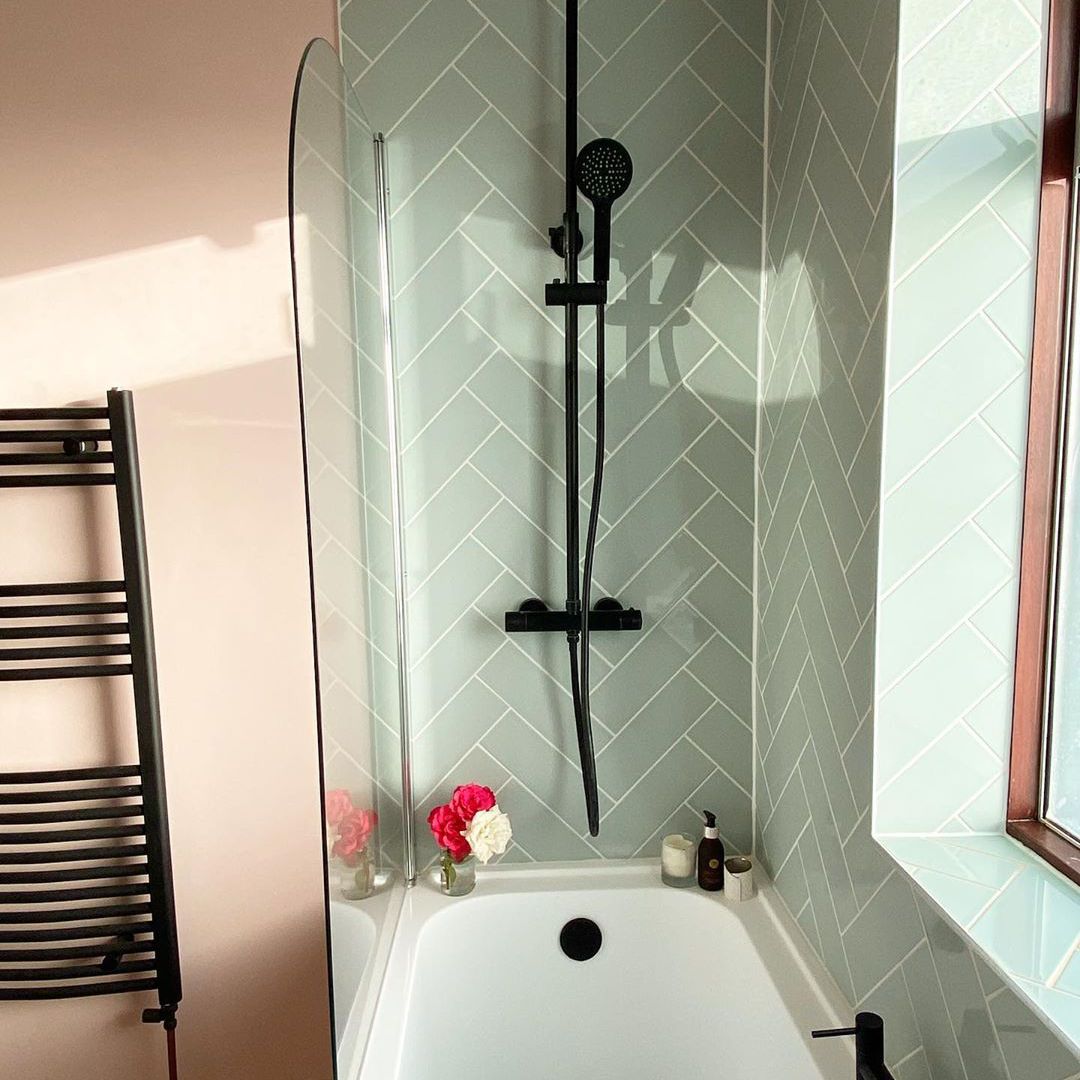
Geometric patterns like herringbone and chevron add visual interest and sophistication, particularly in hardwood or tile installations.
Checkerboard and Mosaic Tiles
Mosaic and checkerboard designs create dynamic focal points, often used in kitchens, bathrooms, or entryways.
Large Format Tiles
Large tiles reduce grout lines, creating a seamless and contemporary appearance, especially in modern or minimalist interiors.
Mixed Materials
Combining different flooring materials, such as wood and tile or carpet and stone, can define zones within open-plan layouts and enhance design versatility.
Installation Considerations
Proper installation is critical to maximize flooring performance and longevity. Each material requires specific preparation, techniques, and tools.
Subfloor Preparation
A level, clean, and dry subfloor prevents uneven wear, squeaking, or water damage. Materials like plywood, concrete, or existing flooring may require leveling or underlayment.
Expansion and Contraction
Materials like hardwood and bamboo expand and contract with humidity. Allowing for expansion gaps prevents buckling or warping.
Professional vs. DIY Installation
While some flooring types like vinyl planks or laminate can be installed by homeowners, materials like natural stone, ceramic tiles, or hardwood often require professional expertise for precision and warranty compliance.
Adhesives and Fastening Methods
- Glue-down: Common for tiles and vinyl, offering stability and moisture resistance.
- Nail-down or Staple-down: Used for solid hardwood to secure planks to the subfloor.
- Floating Floors: Laminate and engineered wood may float above the subfloor with interlocking mechanisms.
Flooring Maintenance and Longevity
Maintaining flooring ensures safety, aesthetics, and long-term durability.
Cleaning Practices
- Hard surfaces: Sweep, vacuum, or mop regularly; use pH-neutral cleaners to avoid surface damage.
- Carpet: Vacuum frequently and treat stains promptly; professional cleaning every 12–18 months prolongs lifespan.
- Tile and stone: Seal grout lines to prevent staining; remove debris to avoid scratching.
Protective Measures
- Use area rugs or mats in high-traffic zones.
- Apply protective pads under furniture legs.
- Limit exposure to direct sunlight to prevent fading.
Repair and Refinishing
- Hardwood floors can be sanded and refinished multiple times.
- Tiles may require replacement of individual pieces in case of cracks.
- Carpets may need patching or full replacement depending on wear patterns.
Sustainable Flooring Choices
Eco-conscious flooring promotes environmental responsibility while maintaining design quality.
- Reclaimed wood: Repurposed wood reduces deforestation and adds character.
- Bamboo and cork: Rapidly renewable resources that minimize ecological impact.
- Recycled vinyl or composites: Utilizes post-consumer waste, reducing landfill contributions.
- Low-VOC adhesives and finishes: Improve indoor air quality and minimize environmental hazards.
Real-Life Flooring Tips
- Assess lifestyle needs: Families with children or pets may prioritize durability and easy maintenance.
- Balance aesthetics with functionality: Select materials that complement your design style without compromising practicality.
- Plan for transitions: Use thresholds or moldings to create smooth transitions between different flooring types.
- Invest in high-traffic zones: Focus on durable, easy-to-clean surfaces in kitchens, hallways, and entryways.
- Test samples: Evaluate materials under natural and artificial light to ensure desired color and texture.
Flooring FAQ
What is the most durable flooring for high-traffic areas?
Ceramic tiles, porcelain tiles, and high-quality luxury vinyl tiles are ideal for areas with heavy foot traffic due to their resistance to wear and scratches.
How often should hardwood floors be refinished?
Depending on traffic and maintenance, hardwood floors typically require refinishing every 7–10 years to restore luster and repair surface wear.
Can I install hardwood in a basement?
Solid hardwood is prone to moisture-related damage in basements. Engineered wood or vinyl planks are better suited for below-grade installations.
Is underfloor heating compatible with all flooring types?
Many materials, including engineered wood, vinyl, and tile, work well with underfloor heating. Always check manufacturer specifications for heat compatibility.