Garden: A Comprehensive Guide to Design, Maintenance, and Sustainable Practices
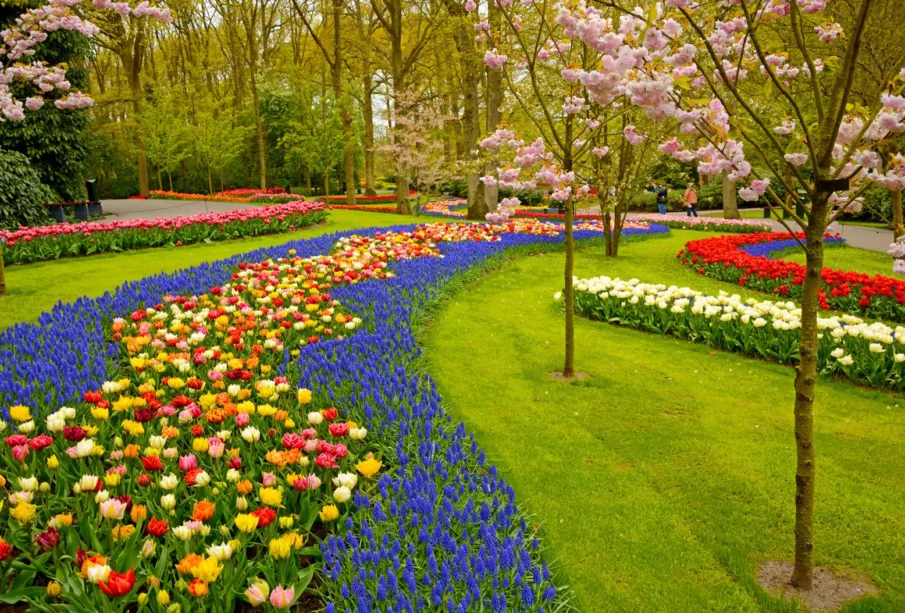
A garden is more than just a patch of greenery. It is a dynamic outdoor space that blends aesthetic appeal, environmental benefits, and functional utility. Designing and maintaining a garden requires thoughtful planning, knowledge of plant biology, soil science, microclimates, and a balance between creativity and practicality. From urban balconies to sprawling suburban backyards, gardens provide a retreat from the fast-paced modern lifestyle, a source of fresh produce, and a natural habitat for pollinators and wildlife. This article provides a deep dive into creating, maintaining, and optimizing gardens to achieve beauty, functionality, and sustainability.
Understanding the Importance of Gardens
Gardens serve multiple roles in both private and public spaces:
-
Aesthetic enhancement: Well-designed gardens elevate the visual appeal of a property and create an inviting environment.
-
Environmental benefits: Gardens improve air quality, reduce soil erosion, support pollinators, and contribute to urban cooling.
-
Mental and physical well-being: Gardening promotes stress reduction, physical activity, and mindfulness.
-
Food production: Edible gardens provide fresh fruits, vegetables, herbs, and even medicinal plants.
-
Social interaction: Community gardens encourage neighborhood engagement, skill sharing, and collective care for green spaces.
Types of Gardens
Gardens can be classified based on purpose, design, and plant selection. Understanding these categories helps homeowners and landscape designers choose the most suitable approach.
Ornamental Gardens
Ornamental gardens focus on aesthetics and artistic expression. Key elements include:
-
Flower beds: Seasonal blooms create color and fragrance.
-
Shrubs and hedges: Structured forms define pathways and boundaries.
-
Water features: Ponds, fountains, and streams enhance visual and auditory appeal.
Vegetable and Edible Gardens
Edible gardens provide fresh produce and support self-sufficiency. Essential considerations include:
-
Sunlight exposure: Most vegetables require 6–8 hours of direct sunlight.
-
Soil fertility: Rich, well-drained soil promotes robust growth.
-
Crop rotation: Reduces soil-borne diseases and maintains nutrient balance.
Native and Pollinator Gardens
Native gardens emphasize local flora to support biodiversity. Pollinator gardens attract bees, butterflies, and birds:
-
Plant selection: Choose species that thrive in local climates.
-
Habitat creation: Provide nesting areas, water sources, and shelter.
-
Seasonal variation: Ensure year-round blooms to sustain pollinator populations.
Rock and Xeriscape Gardens
Ideal for dry climates, these gardens reduce water consumption while maintaining aesthetic appeal:
-
Drought-tolerant plants: Succulents, cacti, and ornamental grasses.
-
Mulching: Conserves moisture and suppresses weeds.
-
Stone elements: Add texture, define spaces, and minimize maintenance.
Indoor and Container Gardens
For small spaces or urban settings, container and indoor gardens offer versatility:
-
Planter selection: Ensure adequate drainage and space for root growth.
-
Lighting: Supplemental grow lights may be required for indoor environments.
-
Maintenance: Frequent watering and soil monitoring are essential.
Garden Design Principles
Successful garden design combines aesthetics, function, and ecology. Core principles include:
Spatial Planning
Organize the garden into zones based on purpose:
-
Functional zones: Dining areas, play spaces, and walkways.
-
Planting zones: Group plants according to sunlight, water needs, and visual impact.
-
Transition zones: Smooth connections between lawns, beds, and structural elements.
Color and Texture
Using color theory and textural contrast enhances visual appeal:
-
Seasonal color: Integrate plants that bloom at different times.
-
Foliage diversity: Combine broad leaves with fine-textured plants.
-
Structural variety: Include vertical elements such as trellises and pergolas.
Layering and Vertical Interest
Layering plants by height improves depth and visual richness:
-
Groundcover: Low-growing plants that prevent soil erosion.
-
Mid-height plants: Shrubs and perennials add volume.
-
Tall plants and trees: Provide shade, wind protection, and focal points.
Sustainability Integration
Sustainable practices reduce environmental impact and ensure long-term garden health:
-
Rainwater harvesting: Collect and store water for irrigation.
-
Composting: Recycle organic waste into nutrient-rich soil amendments.
-
Native plant adoption: Minimizes water use and supports local ecosystems.
Soil and Fertility Management
Healthy soil is the foundation of a thriving garden. Key strategies include:
-
Soil testing: Determine pH, nutrient levels, and soil texture.
-
Amendments: Use compost, organic fertilizers, and biochar to improve fertility.
-
Mulching: Conserves moisture, moderates soil temperature, and suppresses weeds.
-
Cover cropping: Plant legumes or grasses to enrich soil nitrogen and prevent erosion.
Plant Selection and Seasonal Planning
Choosing the right plants is critical to achieving a balanced garden ecosystem.
Perennials vs. Annuals
-
Perennials: Long-living plants that return yearly, reducing replanting effort.
-
Annuals: Provide vibrant seasonal color but require replanting each year.
Pollinator-Friendly Plants
-
Flowers with nectar and pollen: Lavender, coneflowers, and milkweed attract bees and butterflies.
-
Continuous bloom strategy: Plant staggered flowering species for sustained pollinator support.
Edible Plants
-
Vegetables and herbs: Tomatoes, basil, kale, and peppers.
-
Fruit-bearing shrubs: Blueberries, raspberries, and currants.
-
Tree fruits: Apple, pear, and citrus, depending on climate zones.
Companion Planting
Strategic placement of complementary plants improves growth and deters pests:
-
Examples: Marigolds near tomatoes to reduce nematode damage.
-
Herbs and vegetables: Basil enhances tomato flavor and growth.
-
Flowering plants: Attract beneficial insects that prey on harmful pests.
Water Management and Irrigation
Efficient water management ensures plant health while conserving resources:
-
Drip irrigation: Delivers water directly to the root zone, minimizing evaporation.
-
Soaker hoses: Provide even water distribution for garden beds.
-
Rain gardens: Capture and filter runoff, reducing soil erosion and flooding.
-
Smart watering: Adjust schedules according to seasonal rainfall and plant requirements.
Garden Maintenance Practices
Regular maintenance is crucial for garden longevity and aesthetics.
-
Pruning and trimming: Maintains plant health and encourages flowering or fruiting.
-
Weed management: Prevents competition for nutrients and water.
-
Pest and disease control: Use integrated pest management (IPM) methods to minimize chemical use.
-
Seasonal clean-up: Remove dead leaves, debris, and spent plants to prepare for new growth cycles.
Enhancing Garden Spaces with Features
Adding structural and decorative features elevates the garden experience:
-
Pathways: Stone, gravel, or brick paths provide structure and accessibility.
-
Seating areas: Benches, gazebos, and pergolas create relaxation zones.
-
Lighting: Solar or low-voltage lighting enhances safety and ambiance.
-
Water elements: Fountains, ponds, and birdbaths add sensory appeal and support wildlife.
-
Artistic features: Sculptures, planters, and garden art personalize the space.
Sustainable and Eco-Friendly Practices
Sustainable gardens reduce environmental impact and support biodiversity:
-
Organic gardening: Avoid chemical fertilizers and pesticides.
-
Native plants: Require less water and maintenance while promoting local ecosystems.
-
Pollinator habitats: Incorporate flowers, shrubs, and nesting areas for bees, butterflies, and birds.
-
Composting and mulching: Recycle organic waste and maintain soil health.
-
Water conservation: Utilize rain barrels, drip irrigation, and drought-tolerant species.
Garden FAQ
How often should I water my garden?
Watering frequency depends on soil type, plant species, and climate. Generally, gardens require deep watering 1–3 times per week, adjusting for rainfall and seasonal changes.
Can I mix ornamental and edible plants in the same garden?
Yes. Companion planting can enhance aesthetics, deter pests, and improve crop yields. Ensure proper spacing and sunlight allocation.
What is the best way to control weeds organically?
Mulching, hand-pulling, cover cropping, and landscape fabrics are effective organic methods. Avoid chemical herbicides to protect soil health.
How can I attract pollinators year-round?
Plant a variety of flowering plants with staggered bloom times, provide water sources, and avoid pesticides.
Which soil amendments are most beneficial for vegetable gardens?
Compost, well-aged manure, worm castings, and biochar enrich nutrients, improve structure, and support beneficial microbes.
What is xeriscaping, and is it suitable for all climates?
Xeriscaping uses drought-tolerant plants and water-efficient techniques. While ideal for arid regions, it can also reduce maintenance and water use in other climates.
How can I prevent plant diseases naturally?
Practice crop rotation, ensure proper spacing for airflow, use disease-resistant varieties, and remove infected plant material promptly.
Can small balconies support container gardens?
Absolutely. Use lightweight containers, vertical planting solutions, and plants suited to sunlight exposure. Regular watering and fertilization are essential.