
Interior Design: A Comprehensive Guide to Modern, Functional, and Timeless Spaces
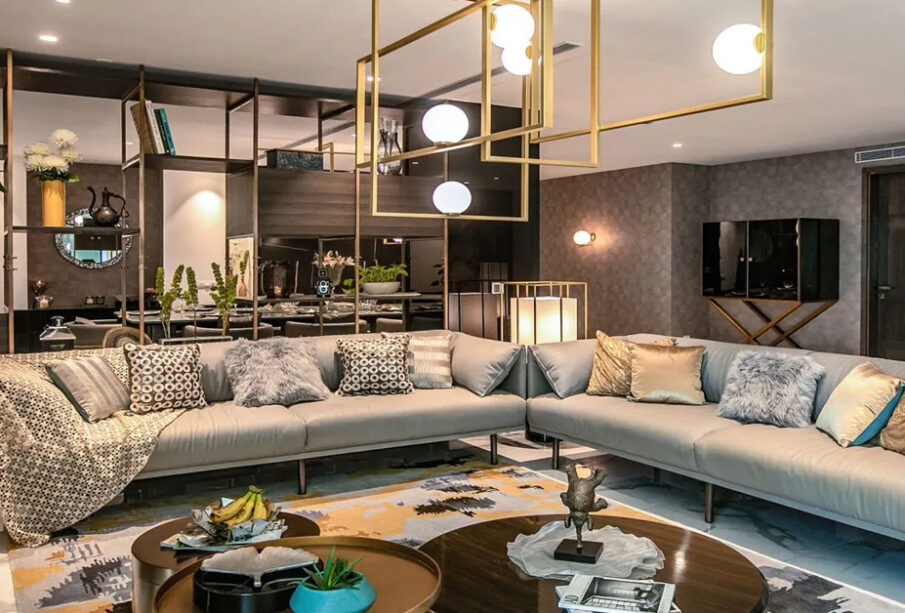
Interior design is the art and science of enhancing the interiors of a space to achieve a healthier, more aesthetically pleasing, and functionally efficient environment. It goes beyond merely arranging furniture; it involves the integration of color theory, lighting, spatial planning, textures, materials, and psychological principles to create harmonious and purposeful living and working spaces. The field of interior design encompasses residential, commercial, and specialized spaces, each requiring tailored approaches and an understanding of human behavior, ergonomics, and cultural preferences.
Understanding the Role of Interior Design
Interior design impacts everyday life in significant ways:
- Aesthetic enhancement: Well-designed interiors create visual appeal and elevate the overall ambiance.
- Functionality optimization: Proper layout, storage, and workflow improve efficiency and comfort.
- Psychological influence: Colors, lighting, and materials can affect mood, productivity, and well-being.
- Value addition: Thoughtful interior design can increase property value and marketability.
- Sustainability: Eco-conscious choices in materials and lighting reduce environmental impact.
Key Principles of Interior Design
Successful interior design requires adherence to foundational principles that balance form and function.
Balance and Symmetry
Balance ensures that visual weight is distributed evenly across a room:
- Symmetrical balance: Mirrors, matching furniture, or paired decor elements create a sense of order.
- Asymmetrical balance: Uses varied objects and furniture with similar visual weight for a more dynamic feel.
- Radial balance: Arranges elements around a central focal point, such as a dining table or chandelier.
Proportion and Scale
Proportion relates to the relationship between objects, while scale refers to the size of items relative to the space:
- Avoid oversized furniture in small rooms.
- Use rugs and lighting to define zones and anchor the space.
- Ensure accessories are proportionate to furniture and architectural features.
Rhythm and Repetition
Repetition creates continuity and guides the eye through a space:
- Color rhythm: Use consistent hues or accent colors in different areas.
- Pattern rhythm: Repeating patterns on textiles, tiles, or wallpaper.
- Texture rhythm: Mix materials like wood, metal, and fabric for visual interest.
Focal Points
Every well-designed space has one or more focal points that draw attention:
- Architectural elements such as fireplaces or exposed beams.
- Statement furniture pieces like a bold sofa or dining table.
- Artwork or decorative installations.
Harmony and Unity
Harmony ensures all elements of a room work together cohesively:
- Color palettes should complement furniture, flooring, and wall finishes.
- Styles should be consistent unless deliberate eclecticism is desired.
- Materials and textures should relate to each other for a seamless appearance.
Interior Design Styles
Modern interior design incorporates diverse styles, each reflecting unique philosophies and aesthetics.
Contemporary Design
- Emphasizes clean lines, minimalism, and open spaces.
- Neutral color schemes with occasional bold accents.
- Use of metal, glass, and natural textures to achieve a sleek look.
Traditional Design
- Draws inspiration from classical architecture and furniture.
- Rich colors, ornate details, and symmetry define the aesthetic.
- Incorporates antiques, carved wood, and luxurious fabrics.
Transitional Design
- Bridges traditional and contemporary styles for a balanced look.
- Neutral colors with occasional bold patterns.
- Combines modern furniture with classic architectural elements.
Industrial Design
- Inspired by warehouses and urban lofts.
- Exposed brick, metal, concrete, and reclaimed wood.
- Open layouts with functional furniture and utilitarian lighting.
Scandinavian Design
- Prioritizes functionality, simplicity, and minimalism.
- Light color palettes, natural materials, and clutter-free spaces.
- Focus on natural light and sustainable furniture options.
Bohemian Design
- Eclectic, vibrant, and highly personalized.
- Layered textures, mixed patterns, and global-inspired decor.
- Prioritizes comfort and self-expression over strict rules.
Space Planning and Layout
Proper space planning is critical for functionality and flow:
- Traffic flow: Ensure pathways are unobstructed and intuitive.
- Zoning: Use furniture placement or rugs to define areas such as living, dining, or workspace.
- Storage solutions: Built-in cabinets, multifunctional furniture, and vertical storage optimize small spaces.
- Flexibility: Consider movable furniture or modular layouts for adaptability.
Color Theory in Interior Design
Colors influence mood, perception of space, and overall ambiance:
- Warm colors: Reds, oranges, and yellows energize and create intimacy.
- Cool colors: Blues, greens, and purples promote calm and spaciousness.
- Neutral colors: Whites, grays, and beiges provide a versatile backdrop.
- Accent colors: Introduce contrast, highlight features, and create focal points.
- Monochromatic schemes: Offer elegance and cohesion through varying shades of a single color.
Lighting Strategies
Lighting impacts aesthetics, functionality, and mood:
- Ambient lighting: General illumination from ceiling lights or wall fixtures.
- Task lighting: Focused light for reading, cooking, or workstations.
- Accent lighting: Highlights artwork, architectural features, or decor.
- Layered lighting: Combines ambient, task, and accent lighting for depth and flexibility.
- Natural light optimization: Maximize windows, skylights, and reflective surfaces.
Materials, Textures, and Finishes
Materials and textures contribute to the tactile and visual experience:
- Wood: Adds warmth and character; suitable for flooring, furniture, and paneling.
- Metal: Provides sleekness and industrial appeal; ideal for fixtures and accents.
- Glass: Enhances light, transparency, and modernity; used in partitions and tabletops.
- Stone: Marble, granite, or slate introduce luxury and durability.
- Fabrics: Mix cotton, linen, wool, and synthetic textiles for upholstery and decor.
Furniture Selection and Arrangement
Furniture selection should balance style, comfort, and practicality:
- Scale and proportion: Match furniture size to room dimensions.
- Functionality: Prioritize ergonomics, multipurpose furniture, and storage integration.
- Arrangement: Encourage social interaction, accessibility, and visual harmony.
- Statement pieces: Introduce unique or artistic furniture to elevate design.
Sustainable Interior Design
Sustainability integrates environmental responsibility with style:
- Eco-friendly materials: Bamboo, reclaimed wood, recycled metals, and low-VOC paints.
- Energy efficiency: LED lighting, energy-efficient appliances, and smart thermostats.
- Water conservation: Efficient fixtures, low-flow faucets, and greywater reuse.
- Durability: Invest in high-quality furniture and finishes that last longer.
- Indoor air quality: Incorporate plants, non-toxic finishes, and ventilation systems.
Technology Integration
Smart home technology enhances comfort, security, and convenience:
- Lighting automation: Dimmable and programmable lights.
- Climate control: Smart thermostats and HVAC systems.
- Security: Sensors, cameras, and access control integrated seamlessly.
- Entertainment: Built-in audio-visual systems and home theaters.
- Energy monitoring: Track and optimize energy consumption.
Interior Design Maintenance
Maintaining interior spaces preserves aesthetics, functionality, and health:
- Regular cleaning: Dust, vacuum, and clean surfaces to prevent wear and deterioration.
- Material care: Follow manufacturer guidelines for wood, upholstery, and stone.
- Decluttering: Regularly assess and remove unnecessary items to maintain harmony.
- Repairs and updates: Timely painting, fixture replacement, and upholstery repair.
Interior Design FAQ
How do I choose a design style for my home?
Consider your lifestyle, preferences, and the architecture of your space. Visit showrooms, explore magazines, and create mood boards to identify styles that resonate with you.
Can I mix multiple design styles?
Yes. Transitional or eclectic approaches allow blending styles, but maintain balance by using consistent color palettes, materials, or focal points.
How can I make a small space appear larger?
Use light colors, mirrors, multi-functional furniture, and maximize natural light. Keep clutter minimal and furniture proportionate.
What are some eco-friendly interior design tips?
Use sustainable materials, energy-efficient lighting, natural ventilation, and indoor plants. Choose long-lasting furniture and reduce single-use plastics.
How important is lighting in interior design?
Lighting is critical; it affects perception of space, highlights features, and influences mood. Layered lighting combining ambient, task, and accent lights is most effective.
How do I maintain interior design aesthetics over time?
Regular cleaning, timely repairs, decluttering, and updating accessories or textiles according to trends and personal taste help maintain longevity.
Can technology be seamlessly integrated into interiors?
Yes. Smart lighting, climate control, entertainment systems, and security can be incorporated subtly without disrupting the aesthetic.
What is the role of color in interior design?
Color affects perception of space, mood, and cohesion. Strategic use of accent colors and complementary schemes creates balance and enhances visual interest.
Interior design is a sophisticated blend of art, science, and psychology. By understanding principles of balance, color, lighting, materials, and sustainability, designers can create spaces that are functional, visually appealing, and psychologically enriching. Whether designing a residential home, a commercial space, or a specialized environment, thoughtful interior design transforms ordinary spaces into extraordinary experiences.


